Choosing a material
Quartz is engineered stone. It does not need sealing and comes in consistent patterns, which makes it a common pick for busy kitchens. Granite is natural stone, each slab is different, and it should be sealed from time to time. Butcher block is warm and easy to repair but needs oiling and care around the sink. Laminate costs the least and has improved a lot in looks.
In a small kitchen, a lighter counter can make the room feel bigger. In an older house with uneven walls, a material that can be scribed or cut on site, like butcher block or laminate, may fit more easily than a single long stone slab.
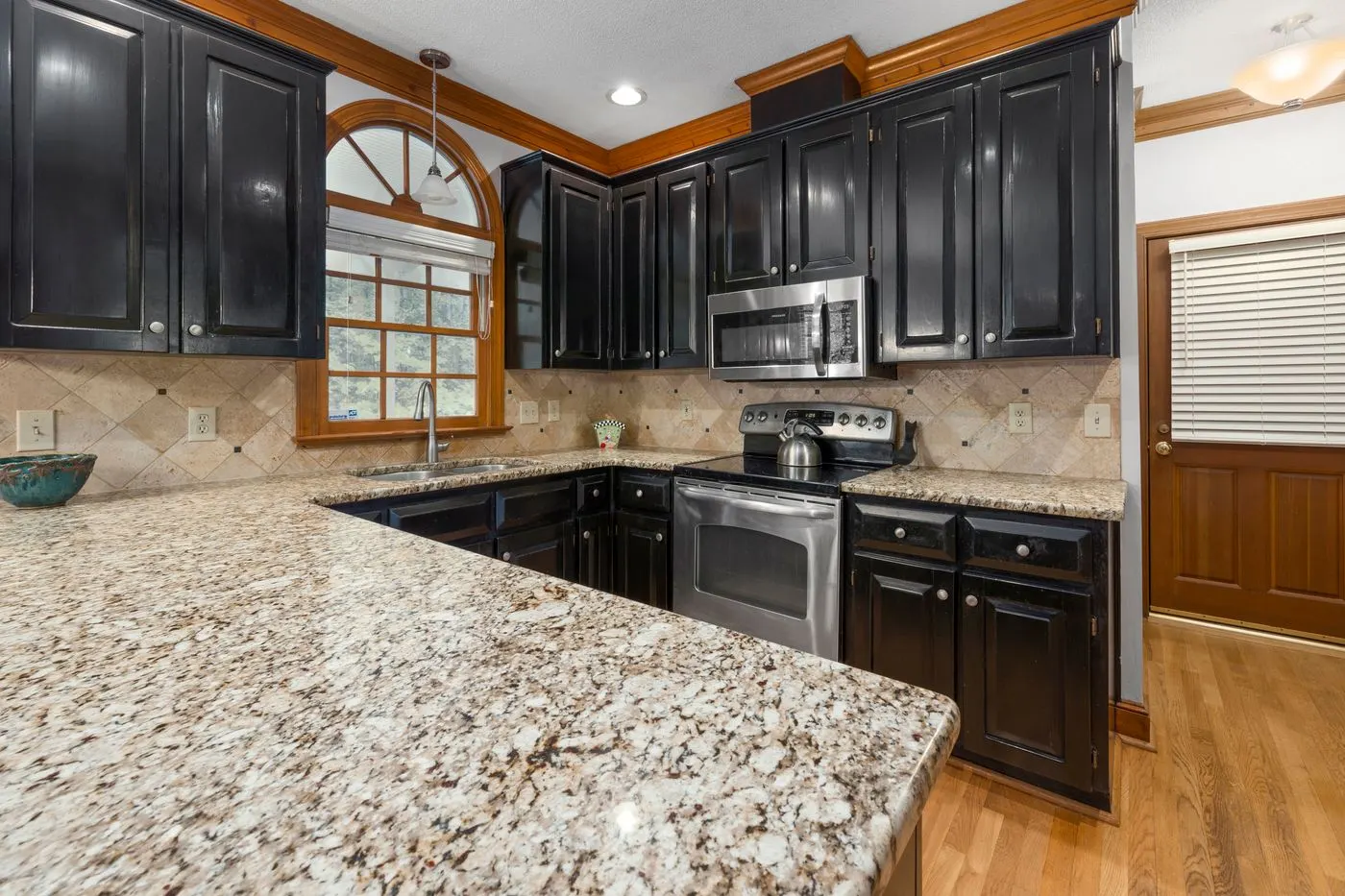
How stone counters are installed
Stone counters are measured after the base cabinets are set and level. The fabricator makes a template, cuts the slab in the shop, then returns to install it, usually a week or more later. Sink and cooktop cutouts are made to the exact models, so have those picked out before templating.
Seams go where the slab cannot run in one piece. Ask where the seams will fall. A careful fabricator places them away from the sink and in less visible spots.
Old cabinets and new stone
Stone is heavy. If you are keeping older cabinets, the installer should check that they are solid and level before a slab goes on top. Sagging boxes or a floor that dips may need shimming or reinforcement first. In some older kitchens, swapping counters reveals water damage under the old sink, which is better found and fixed now.
- Ask whether removal and disposal of the old counter is included
- Ask what edge profile is included in the price
- Ask who disconnects and reconnects the sink and cooktop
- Ask about backsplash height and material
Plumbing and gas reconnection
New counters mean the sink, faucet and sometimes the cooktop come out and go back in. A licensed plumber should handle water and drain connections, and gas cooktops need a qualified pro. Do not reconnect gas lines yourself. If you smell gas, leave the house and call 911 or your gas utility from outside.
Backsplash and finishing details
Most counter jobs include a decision about the backsplash. Some owners run the counter material a few inches up the wall, while others use tile all the way to the upper cabinets. Tile usually goes in after the counter is set. If you are reusing existing cabinets, ask whether the old backsplash will come off cleanly, since removing tile can damage plaster or drywall behind it. Edge profiles matter too. A simple eased edge is usually included, while fancier profiles cost extra. Rounded corners near a doorway are kinder to hips in a tight kitchen.
Typical countertop costs
National ranges from published guides. Not quotes.
| Job | Typical range |
|---|---|
| Countertop replacement, most kitchens | about $1,850 to $4,450 |
| Countertop replacement, national average | about $3,100 |
| Quartz countertops | about $2,600 to $4,400 |
These rounded ranges come from the sources below and are not quotes. Slab choice, edge details, cutouts, seams and removal of old counters all change the price.
Sources: HomeAdvisor, countertop replacement; Fixr, quartz countertops
Questions homeowners ask
How much do new kitchen countertops cost?
HomeAdvisor puts most countertop replacements at about $1,850 to $4,450. For quartz, Fixr's range is about $2,600 to $4,400. Larger kitchens and premium slabs cost more.
How long does it take to get stone counters?
Usually one to two weeks or more between templating and installation, depending on the fabricator and slab availability. Ask for the timeline when you get the estimate.
Is quartz or granite better?
Both are durable. Quartz does not need sealing and has a uniform look. Granite is natural stone with unique patterns and should be sealed from time to time.
Other services
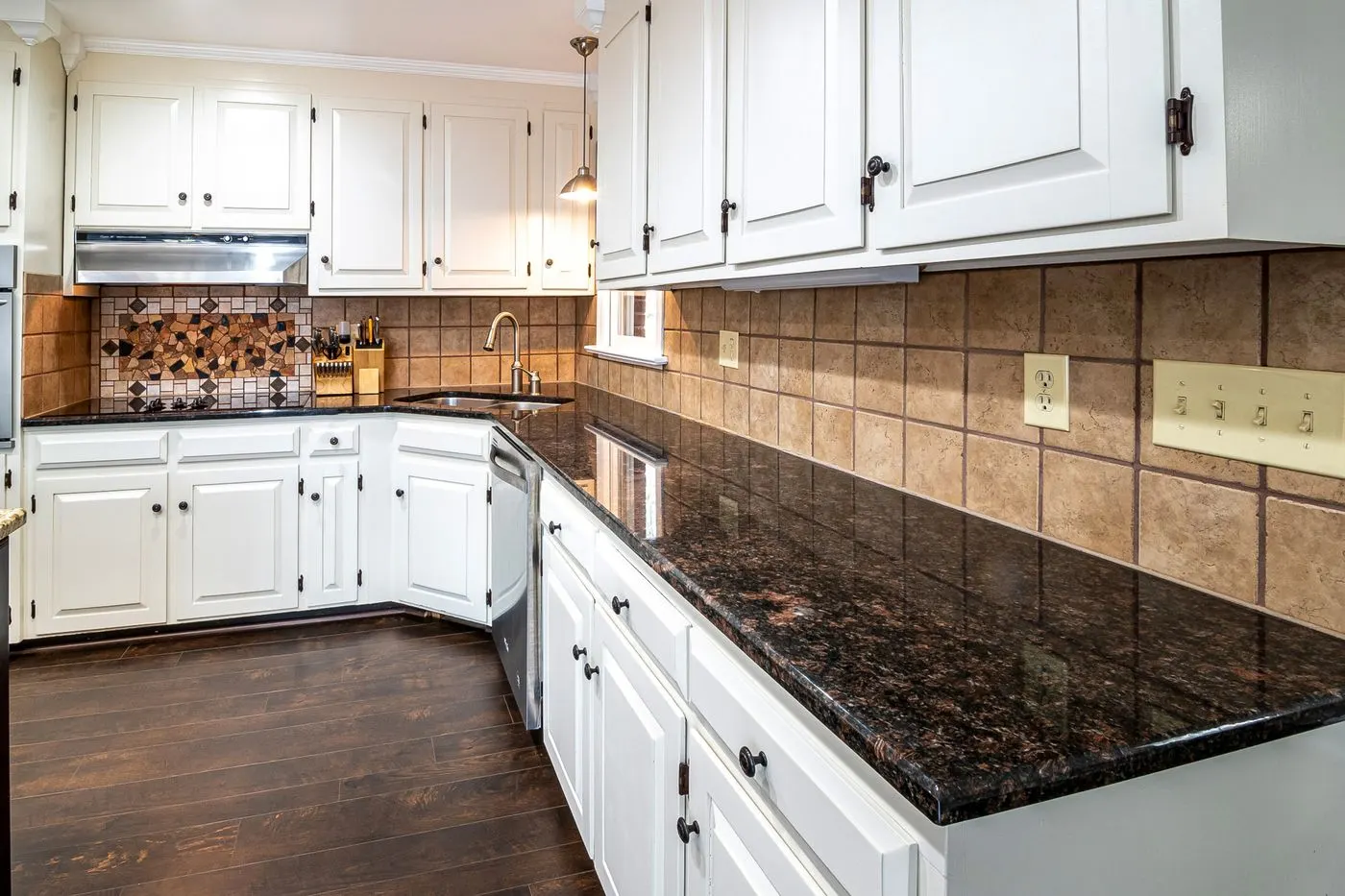
Kitchen remodeling
Full and partial kitchen remodels, from layout to finishes.
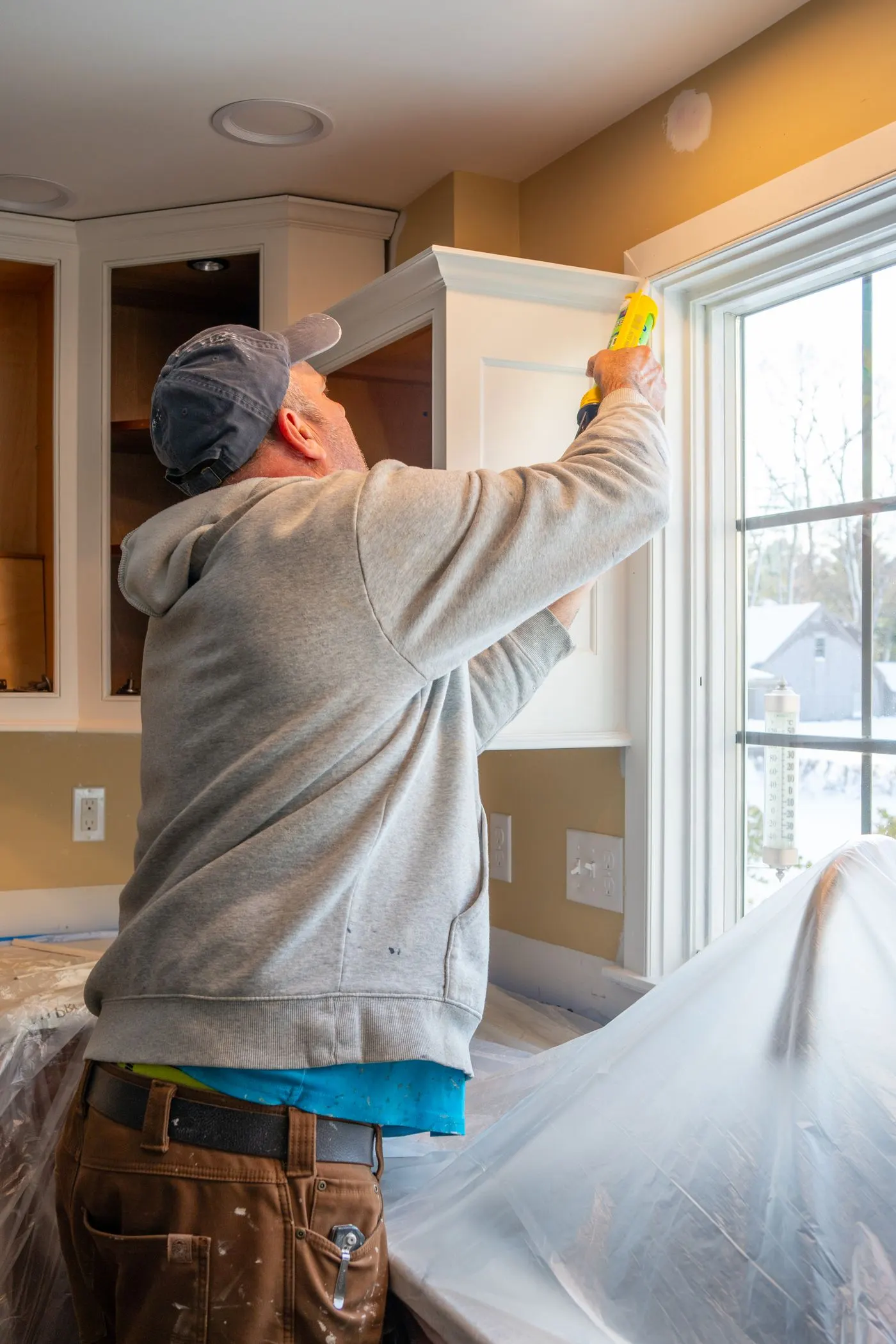
Kitchen cabinets and refacing
New cabinet installation, or new doors and veneer on the boxes you have.
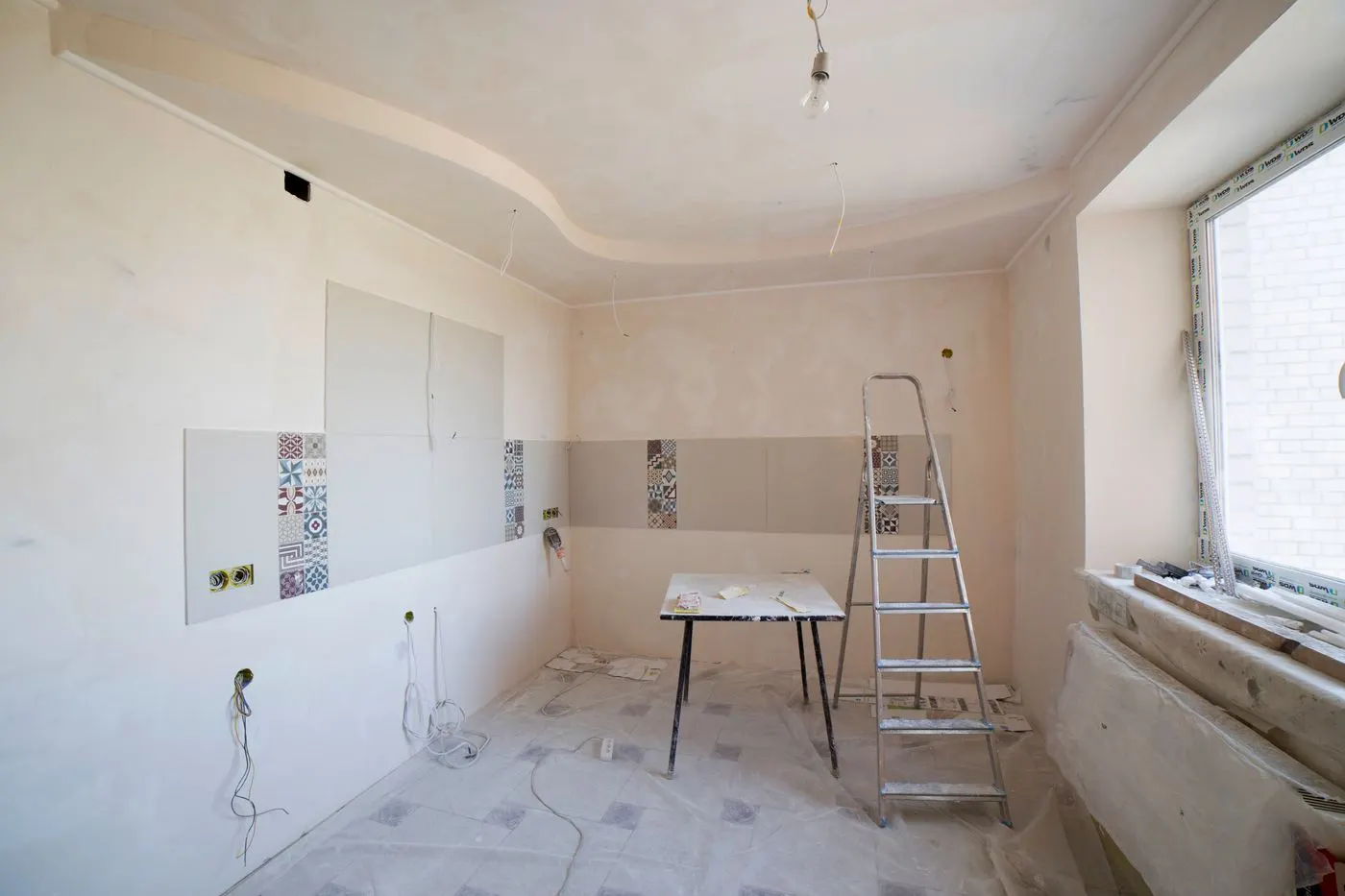
Kitchen wall removal and layout changes
Opening a closed kitchen to the dining or living room.
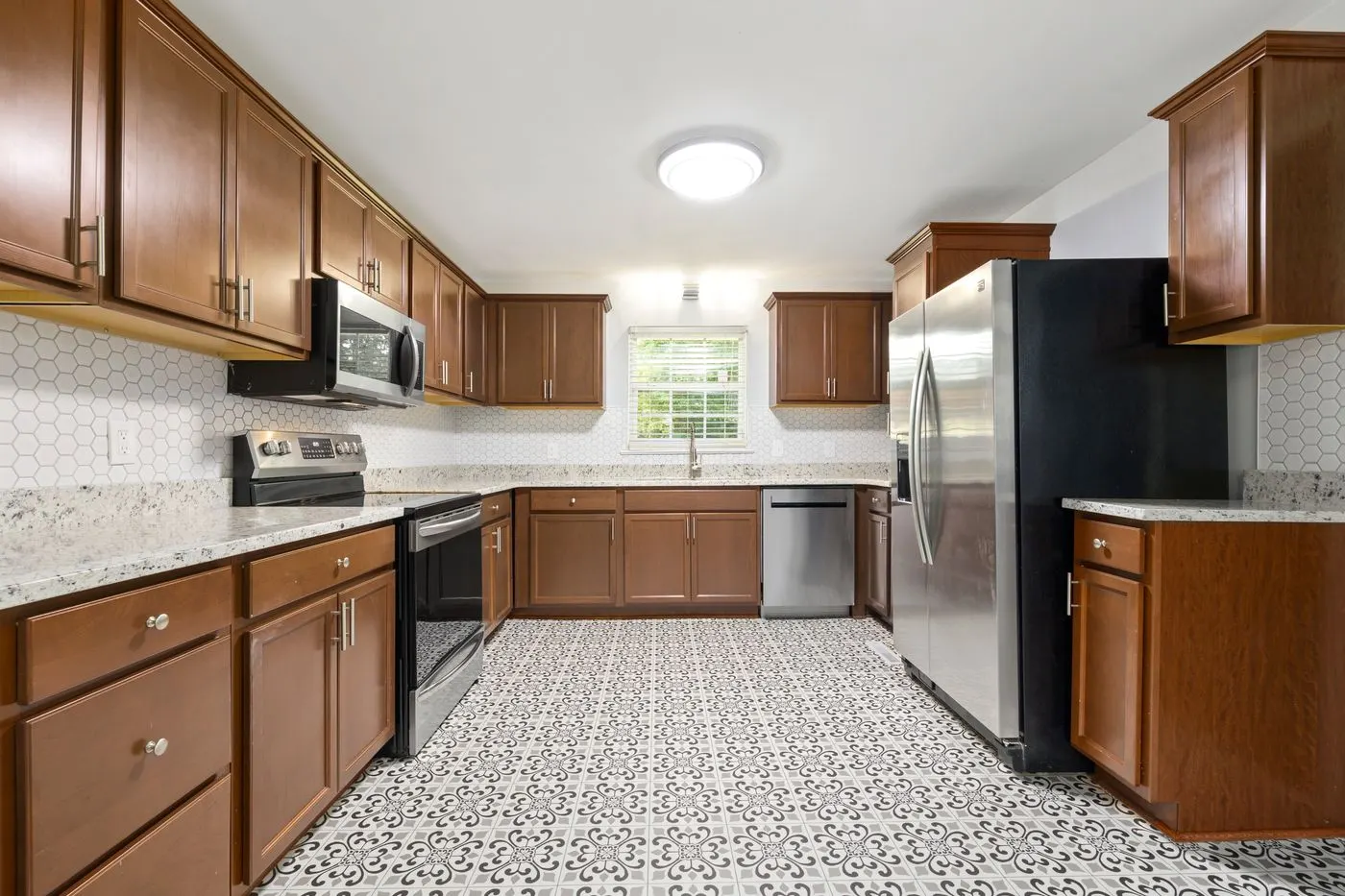
Kitchen flooring
New kitchen floors, including removing old layers down to the subfloor.
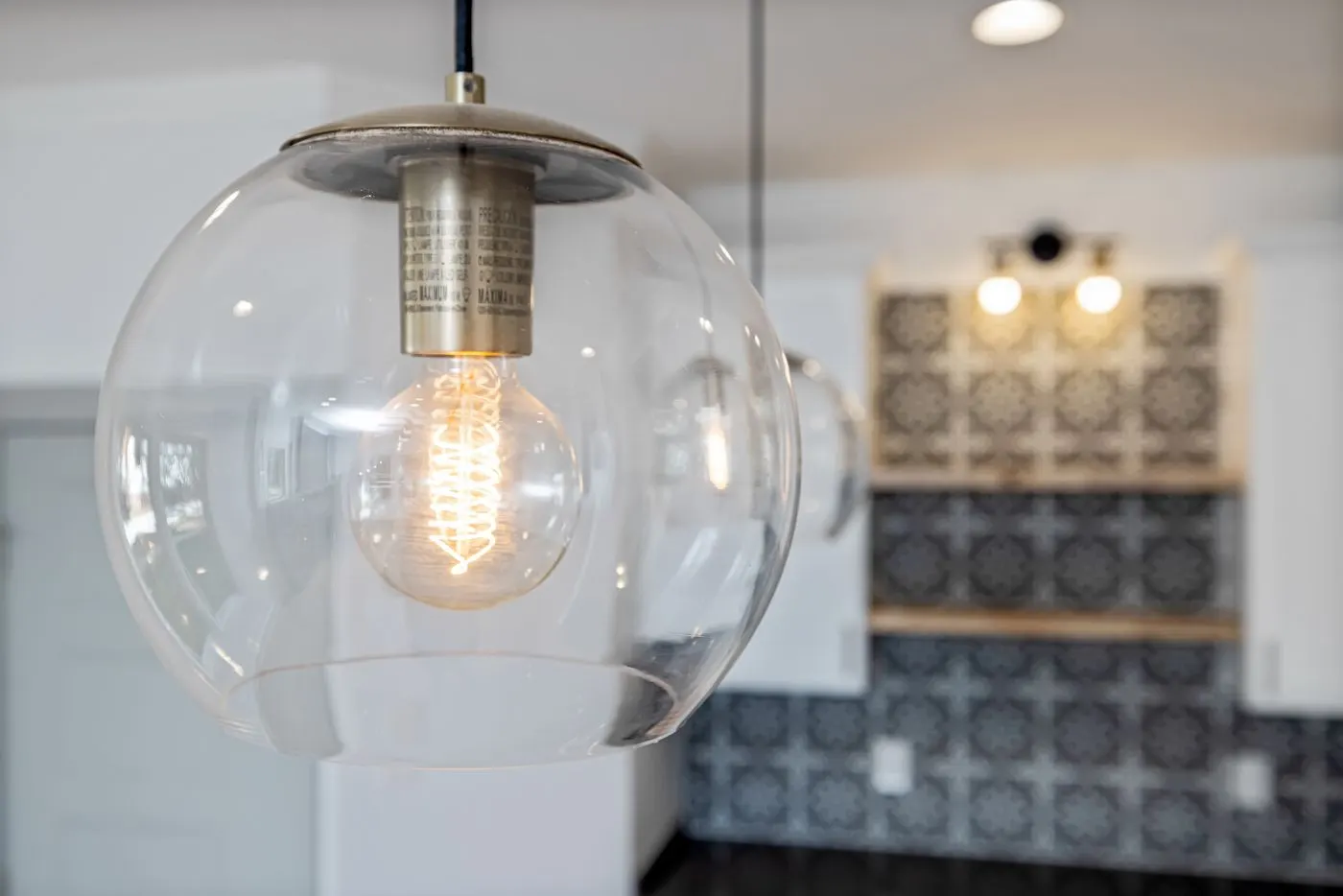
Kitchen lighting
Recessed lights, pendants and under-cabinet lighting.
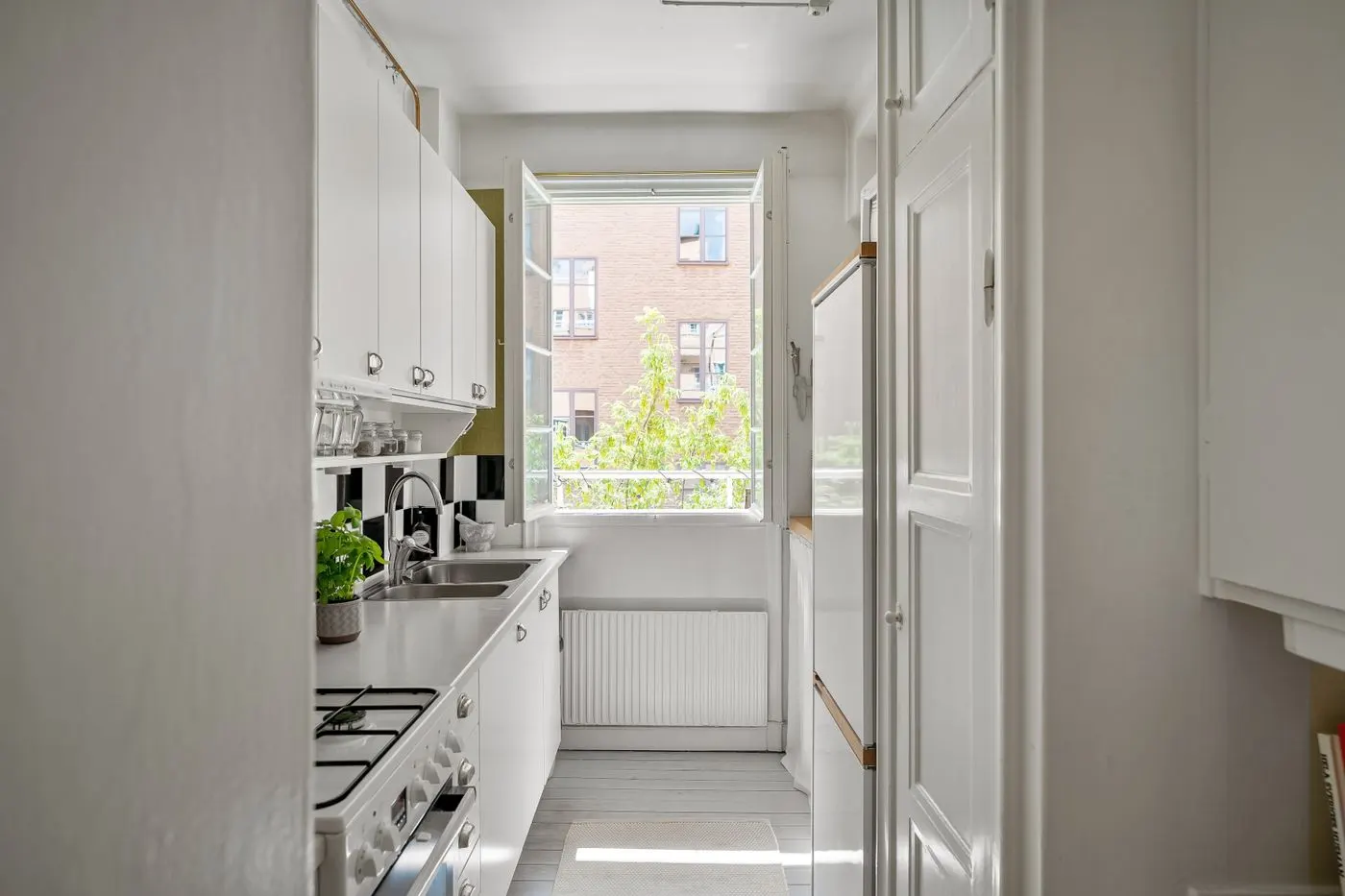
Small kitchen remodels
Making the most of galley, corner and narrow kitchens.